PanchangBodh logo
PanchangBodhAccurate Vedic Calendar
Panchang Guides

What to Eat in Sawan Vrat — The Phalahar Guide

Everything you can eat on the Sawan fast, what to avoid, and a few simple phalahar recipes to make the day easy.

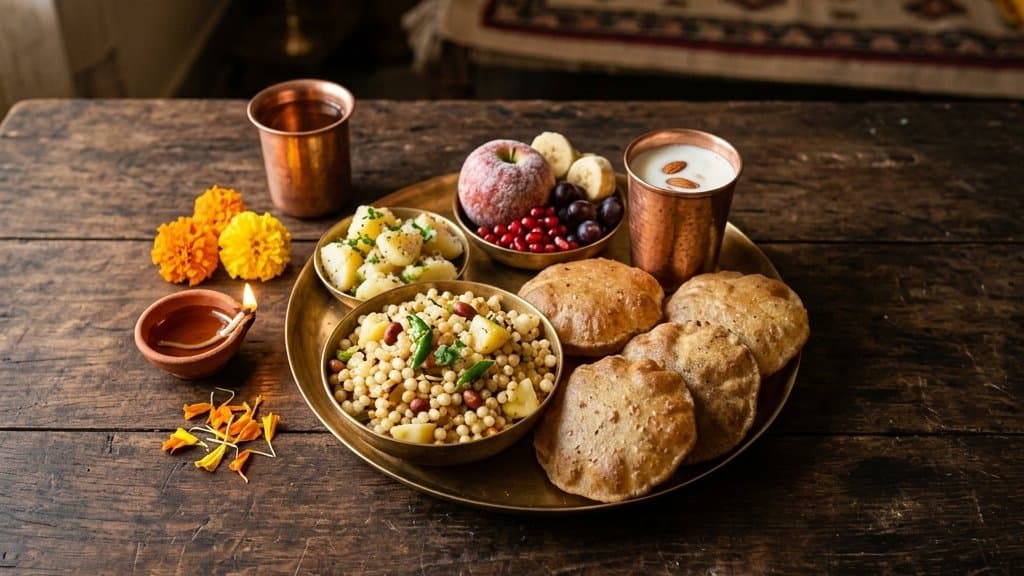
A thali of Sawan vrat phalahar food — sabudana khichdi, kuttu puri, fruit and milk with sendha namak
PanchangBodh Editorial
7 min read
what to eat in sawan vratsawan vrat foodphalahar recipessawan somwar vrat food listvrat mein kya khaye

The Sawan vrat is kept on phalahar — a sattvic, grain-free diet built around fruit, milk and a handful of “vrat” ingredients. The idea is light, pure food that keeps the body steady while the mind stays on Lord Shiva.

Below is a clear list of what you can eat, what to avoid, and three easy recipes — so whether you keep a strict fast or a lighter one, the day’s food is simple to plan.

What you can eat (phalahar)

The sattvic, grain-free foods allowed on the fast

Fresh fruit & dry fruits
Milk, curd, paneer, buttermilk
Sabudana (sago) — khichdi, kheer, vada
Kuttu (buckwheat) flour — puri, cheela
Singhara (water chestnut) flour
Samak / barnyard millet (vrat “rice”)
Potato, sweet potato, arbi
Sendha namak (rock salt) only
Peanuts, makhana (fox nuts)
Ghee, and pumpkin / bottle gourd

What to avoid

Foods kept off the plate during the vrat

All grains — wheat, rice, dal, besan
Common (iodised) salt
Onion and garlic
Green leafy vegetables on Mondays
Non-vegetarian food and eggs
Alcohol and tamasic foods

Sendha namak — the vrat salt

Why only rock salt is used

In every vrat dish the salt is sendha namak — rock salt — never common table salt. Refined table salt is, by tradition, considered unsuitable for a fast, while sendha namak is unprocessed and regarded as pure and sattvic. On Mondays in Sawan many families also set aside green leafy vegetables, preferring sattvic roots and gourds like potato, pumpkin and bottle gourd. Keep portions light: phalahar is meant to sustain the fast, not to become a feast.

Simple Sawan vrat recipes

Three easy phalahar dishes

Sabudana khichdi

Soak sabudana until soft, then sauté cumin in ghee, add boiled cubed potato, roasted crushed peanuts, sendha namak and green chilli, fold in the sabudana and cook till translucent. Finish with lemon and coriander.

Kuttu ki puri

Knead kuttu flour with boiled mashed potato, sendha namak and a little water into a firm dough, roll small puris and fry in ghee or oil until puffed. Serve with curd or aloo sabzi made with sendha namak.

Samak rice kheer

Simmer washed samak in full milk until soft and creamy, sweeten with sugar, add cardamom and chopped dry fruits, and cook a few minutes more. Serve warm or chilled as a vrat sweet.

💡

After the parana

Even after breaking the fast, return to grains and common salt gently and avoid a heavy meal. The full Somwar vrat vidhi is on a dedicated page.Sawan Somwar vrat vidhi →
Live Panchang

Time your fast and parana by the panchang

For the day’s sunrise, tithi and the windows to begin and break your fast, check our live tools for your city.

Frequently asked questions

Sawan vrat food and phalahar

What can you eat during the Sawan vrat?+
On the Sawan fast you eat phalahar — fruit, milk, curd, sabudana, dishes of kuttu and singhara flour, samak, potato and other root vegetables, peanuts and makhana. Cook only with sendha namak (rock salt). Grains, common salt, onion and garlic are avoided.
Why is sendha namak used instead of common salt in vrat food?+
Common table salt is refined and, by tradition, considered unsuitable for a fast, while sendha namak (rock salt) is unprocessed and regarded as pure and sattvic. So all vrat dishes are seasoned with sendha namak only.
Can you eat potato in the Sawan vrat?+
Yes. Potato is one of the staples of phalahar — as boiled potato, aloo sabzi with sendha namak, or in sabudana khichdi and kuttu puri. Sweet potato and arbi are also allowed.
Which vegetables should be avoided in the Sawan vrat?+
Grain-based foods, onion and garlic are avoided throughout. Many families also avoid green leafy vegetables on Mondays in Sawan and prefer sattvic vegetables like potato, pumpkin and bottle gourd instead.
Can you drink tea or coffee during the fast?+
Most people take milk, buttermilk, fruit juice or plain water freely. Tea or coffee is a personal choice — many take a light tea, while those keeping a stricter phalahar or nirjala fast avoid it. Keep it simple and sattvic.
What are some easy Sawan vrat recipes?+
The most common are sabudana khichdi, kuttu ki puri with aloo sabzi, samak rice kheer, singhara or kuttu cheela, and makhana kheer — all made with sendha namak or sugar and no grains.
Source & Disclaimer: Vrat food customs vary by family and region — some allow ingredients others avoid. This guide reflects the widely followed North Indian phalahar tradition. Anyone with a health condition should adapt the fast to their needs and consult a doctor before keeping a strict or waterless fast.